

Knowledge
Basmati Rice: White vs. Brown
White Basmati Rice
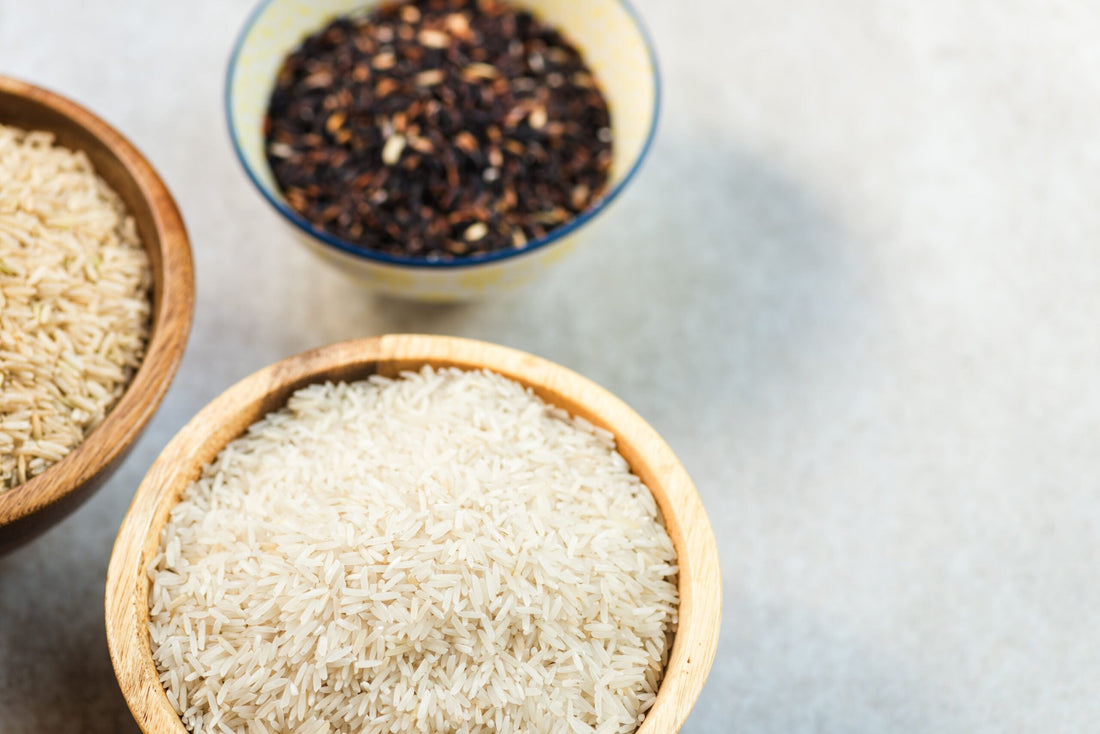
White basmati rice is a variety of rice famous for its mild flavor, fluffy texture, and long grains . Originating in the mountainous regions of the Himalayas, this rice is an essential ingredient in many cuisines around the world, especially in India and Pakistan. Before reaching our tables, white basmati rice undergoes a refining process that improves its appearance and texture.
The refining process of white basmati rice includes several important steps:
- Hull Removal : First, the outer hull is removed from the grain, leaving the brown rice grain.
- Polishing and Bleaching : Next, the grain is polished and bleached to remove the bran and germ, leaving only the starchy endosperm, which is what gives rice its characteristic white color and its light and fluffy texture.
Besides being visually appealing, white basmati rice has a number of nutritional and flavor characteristics that make it very popular:
-Low in fat: Naturally low in fat, white basmati rice is an excellent choice for low-fat diets.
-Energy source: Due to its high carbohydrate content, white basmati rice is an excellent source of fast and sustained energy.
-Low sodium content: Being naturally low in sodium, it is suitable for people who need to control their salt intake.
-Digestibility: It is easy to digest and generally less constipating than other types of rice.
-Flavor and aroma: Its distinctive flavor and characteristic nutty aroma make it ideal for a variety of international dishes, from biryanis to pilafs and rice salads.
Approximate nutritional value (per 100 grams of cooked white basmati rice):
- Calories: 130 kcal
- Protein: 2.4 g
- Fats: 0.4 g (of which saturated fats: 0.1 g)
- Carbohydrates: 28 g
- Fiber: 0.4 g
- Sugars: 0 g
- Sodium: 1 mg
- Iron: 0.2 mg
- Calcium: 10 mg
- Potassium: 35 mg
Other Components:
Vitamins : Contains small amounts of several B vitamins, such as niacin (B3), thiamine (B1) and vitamin B6.
Minerals : In addition to calcium, iron and potassium, it contains traces of magnesium, phosphorus and zinc.
Glycemic index : Basmati rice has a moderate glycemic index, which means it raises blood sugar levels more slowly compared to other types of white rice.
Whole Grain Basmati Rice
On the other hand, wholegrain basmati rice is a much more nutritious option compared to white basmati rice. This type of rice retains the bran and germ intact, giving it a brown color and a more fibrous, chewy texture. By preserving these parts of the grain, wholegrain basmati rice retains a greater amount of essential nutrients and antioxidants. This rice also comes from the Himalayan region and is prized for both its flavor and its health benefits.
Whole grain basmati rice offers several important nutritional and health benefits:
-High fiber content: The presence of bran gives whole grain basmati rice a higher fiber content, which aids digestion and can contribute to a longer-lasting feeling of satiety.
-Higher vitamin and mineral content: By not removing the bran and germ, whole grain basmati rice is richer in vitamins and minerals, such as magnesium, phosphorus and B vitamins.
-Lower glycemic index: This rice has a lower glycemic index compared to white rice, meaning it has less of an impact on blood sugar levels. This is particularly beneficial for people with diabetes or those looking to manage their glucose levels.
Approximate nutritional value (per 100 grams of cooked wholegrain basmati rice):
- Calories: 111 kcal
- Protein: 2.6 g
- Fats: 0.9 g (of which saturated fats: 0.2 g)
- Carbohydrates: 23 g
- Fiber: 1.8 g
- Sugars: 0 g
- Sodium: 5 mg
- Iron: 0.4 mg
- Calcium: 10 mg
- Potassium: 80 mg
- Magnesium: 43 mg
- Phosphorus: 83 mg
- Zinc: 1 mg
Other Components:
-Antioxidants: By retaining the bran, brown rice contains antioxidants that are not present in white rice.
-B vitamins: Richer in thiamine (B1), niacin (B3) and vitamin B6 compared to white rice.
Benefits and Considerations:
Higher fiber content: Helps improve digestion and can contribute to a longer-lasting feeling of fullness.
Lower glycemic index: Beneficial for controlling blood sugar levels.
Wholegrain basmati rice is an excellent choice for those seeking a healthier, more balanced diet, providing more fiber and essential nutrients than white basmati rice. In addition to its health benefits, this rice also offers a distinctive flavor and texture that can enhance a variety of culinary dishes.
Related: